
Blog
The Role of Hormones in Training

As a functional fitness athlete, I’ve spent years fine-tuning my training to optimize strength, endurance, and recovery. One of the biggest game-changers has been understanding the role of hormones in athletic performance. Hormones play a crucial role in energy levels, recovery, muscle growth, and fat metabolism. The key is knowing how to work with your body’s natural cycles rather than against them. This article will explore the hormonal differences between men and women, the best times to train based on hormone fluctuations, modalities that boost growth hormone, and how muscle fiber types impact performance and adaptation. Whether you’re looking to maximize gains, improve endurance, or enhance recovery, understanding the hormone performance connection is essential.
Hormonal Differences Between Men & Women in Training
Testosterone vs. Estrogen
Testosterone is the dominant anabolic hormone in men, responsible for muscle growth, strength gains, and fat metabolism. Men typically have 10-15 times more testosterone than women, which is why they build muscle more easily. Women, on the other hand, have higher estrogen levels, which play a role in joint flexibility, fat storage, and endurance. While estrogen has been misunderstood as a barrier to muscle growth, it actually aids recovery and protects against muscle damage. This makes women more resilient in endurance-based training and less prone to extreme muscle breakdown.
Cortisol and Recovery
Cortisol, the stress hormone, is released in response to physical and emotional stress. Both men and women experience spikes in cortisol, but women tend to have a more prolonged response. This means that excessive training without proper recovery can lead to overtraining symptoms faster in women than in men. Managing cortisol through proper sleep, nutrition, and recovery strategies is essential for maximizing performance.
Growth Hormone Differences
Growth hormone (GH) is a powerful player in muscle growth, fat metabolism, and recovery. Women naturally produce more growth hormone than men, especially during sleep and endurance training. This allows them to recover more efficiently from long training sessions and aids in fat loss. Men, while having lower baseline GH levels, can increase production through strength training and specific recovery modalities. Best Training Times Based on Hormone Cycles
Men’s Optimal Training Times
Men’s testosterone levels are highest in the morning, peaking between 6-9 AM. Training during this time can maximize strength gains and muscle protein synthesis. However, cortisol is also elevated in the early morning, which can counteract some of the anabolic benefits. For maximal performance, men should aim to lift heavy in the mid-morning or early afternoon when testosterone is still elevated, but cortisol has tapered off. Evening sessions may still be effective, but testosterone levels naturally decline throughout the day, making strength adaptations slightly less pronounced.
Women’s Optimal Training Times
Women’s hormones fluctuate based on their menstrual cycle, affecting strength, endurance, and recovery.
- Follicular Phase (Days 1-14): Estrogen levels rise, enhancing strength, endurance, and recovery. This is the best time for high-intensity training, heavy lifting, and strength-focused workouts.
- Ovulation (Day 14-15): A brief surge in testosterone improves power output and performance. This is an ideal time for PR attempts and explosive movements.
- Luteal Phase (Days 16-28): Progesterone increases, leading to higher fatigue levels and reduced recovery. Women may benefit from lower-intensity training, deload weeks, or prioritizing mobility and recovery.
Women who are not tracking their menstrual cycle can generally perform best in the late morning to early afternoon when cortisol levels have decreased and energy levels are stable.
Modalities That Boost Growth Hormone
Increasing growth hormone naturally can enhance muscle growth, recovery, and fat loss. Several training and recovery strategies optimize GH production:
1. Strength Training
Strength training is one of the most powerful tools for optimizing hormones, building muscle, and improving overall performance. As an athlete, I’ve seen firsthand how proper lifting strategies can enhance growth hormone release, regulate testosterone and estrogen, and keep cortisol in check. Lifting isn’t just about getting stronger—it’s about training smarter by aligning with the body’s natural hormonal rhythms to maximize gains and recovery. Growth hormone (GH) plays a crucial role in muscle repair, fat metabolism, and recovery, and it responds best to heavy, compound lifts with moderate-to-high intensity. Training protocols that include 4-6 sets of 8-12 reps at 65-85% of a one-rep max with short rest periods (30-60 seconds) create the metabolic stress needed to trigger GH production. Squats, deadlifts, and Olympic lifts are some of the best movements for this, and consistency over weeks and months is key to sustaining hormonal benefits. Testosterone and estrogen, though different in their effects, both play vital roles in muscle growth and recovery. Men benefit from lifting at 80-90% of their one-rep max with 3-5 sets of 5-8 reps, focusing on compound movements like squats and presses. Women, while having lower testosterone levels, gain strength and lean muscle by lifting with similar intensity, especially during the follicular phase of their cycle when estrogen peaks. Estrogen actually aids recovery and protects against muscle damage, making women naturally suited for endurance in strength training. Managing cortisol is equally important. While lifting weights temporarily spikes cortisol, excessive volume, long sessions, or poor recovery can keep it elevated, leading to fatigue and muscle breakdown (think “over training”). Keeping sessions between 45-75 minutes, prioritizing post-workout nutrition, and training in the mid-morning or early afternoon when cortisol levels are naturally lower can help keep stress in check. Strength training isn’t just about lifting heavy—it’s about optimizing recovery and working with your body’s hormones, not against them, to get the best results.
2. High-Intensity Interval Training (HIIT)
High-Intensity Interval Training (HIIT) is one of the most efficient ways to boost growth hormone (GH), regulate testosterone and estrogen, and optimize cortisol levels. Short bursts of maximum effort, like sprints or explosive movements, create metabolic stress that triggers GH release, aiding in muscle repair and fat loss. According to Dr. Andrew Huberman, HIIT sessions of 20-30 minutes with intense work periods of 30-60 seconds, followed by brief rest, maximize anabolic hormone production while keeping cortisol from spiking too high. However, too much HIIT can elevate cortisol, leading to fatigue and impaired recovery, so limiting sessions to 3-4 times per week is key. The TABATA protocol—20 seconds of all-out effort followed by 10 seconds of rest for 8 rounds—is a simple and highly effective way to get started with HIIT while maximizing hormone benefits. Timing and programming are crucial. Performing HIIT after strength training or on non-lifting days prevents interference with muscle growth while still optimizing hormone response. When done strategically, HIIT is a powerful tool to elevate performance, improve recovery, and maintain long-term hormone balance without overtaxing the body. 3. Cold Exposure Cold exposure, including ice baths and cold showers, is a powerful tool for optimizing hormonal balance, particularly cortisol regulation, while enhancing recovery and improving performance. When done correctly, it reduces inflammation and triggers beneficial hormonal responses that support muscle repair and resilience. Short bouts of cold immersion (2-5 minutes at 40-55°F) have been shown to significantly increase growth hormone production, which aids in fat metabolism and muscle recovery, especially when performed post-exercise. Cortisol, the body’s primary stress hormone, naturally rises after intense training. While cold exposure also initially spikes cortisol, it ultimately helps regulate stress responses by improving the body’s ability to adapt to stress over time. This makes ice baths an effective tool for reducing post-exercise fatigue and enhancing mental resilience. To maximize benefits without overloading the nervous system, cold exposure should be limited to 3-5 sessions per week totaling 11-15 minutes of exposure and ideally separate from strength training to avoid blunting the adaptive response. When used strategically, cold exposure is a game-changer for recovery, hormone balance, and overall performance.
4. Heat Exposure (Sauna)
Sauna and heat exposure are powerful tools for optimizing hormone balance and improving overall performance. Regular sauna use has been shown to significantly increase growth hormone (GH) levels. According to Dr. Huberman, sauna sessions of 20-30 minutes at 175-200°F can lead to a 2- to 5-fold increase in GH, especially when performed multiple times per week. This makes heat exposure a highly effective strategy for supporting lean muscle growth and endurance. Just like cold exposure, sauna use positively influences cortisol regulation. While heat exposure initially raises cortisol, consistent sauna sessions help train the body’s stress response, leading to improved resilience and adaptations over time. Studies have also shown a strong correlation between increased sauna sessions per week and a decrease in all-cause mortality, with frequent users (at least 3 sessions per week) experiencing up to a 40% reduction in risk. Furthermore, sauna exposure mimics the effects of Zone 2 cardio by increasing heart rate and blood flow, improving cardiac function, and reducing systemic inflammation supporting testosterone and estrogen balance. For best results, 3-5 sauna sessions per week, lasting 15-30 minutes, can enhance hormone optimization without excessive strain on the nervous system.
5. Sleep Optimization
Quality sleep is one of the most effective ways to optimize hormonal balance, improve recovery, and enhance athletic performance. Deep sleep, particularly during the first few hours of the night, is when the body releases the highest levels of growth hormone (GH), which plays a critical role in muscle repair, fat metabolism, and overall recovery. Additionally, testosterone and estrogen production peak during sleep, supporting muscle growth, endurance, and immune function. Disruptions in sleep duration or quality can significantly impact these hormones, leading to slower recovery, reduced performance, and increased susceptibility to injury. Cortisol, the body’s primary stress hormone, follows a natural daily rhythm, peaking in the early morning and tapering off throughout the day. Poor sleep disrupts this cycle, causing elevated cortisol levels, which can lead to increased inflammation, impaired recovery, and decreased performance. Prioritizing 7-9 hours of high-quality sleep, maintaining a consistent bedtime, and optimizing sleep hygiene—such as reducing blue light exposure before bed, keeping a cool room temperature, and limiting caffeine intake in the afternoon—can significantly enhance hormonal regulation. Athletes who consistently get deep, restorative sleep experience improved endurance, greater strength adaptations, and faster recovery between training sessions.
Muscle Fiber Types and Hormonal Influence
Muscle fiber composition plays a significant role in how athletes respond to different types of training and how hormones influence performance and recovery. Understanding the interaction between muscle fibers and hormonal activity allows for better programming strategies to optimize both strength and endurance adaptations.
Type I (Slow-Twitch) Fibers
Type I muscle fibers are primarily utilized in endurance-based activities, as they are highly resistant to fatigue but generate less force compared to fast-twitch fibers. These fibers rely on aerobic metabolism, making them well-suited for sustained, lower-intensity efforts such as long-distance running, cycling, and rowing. Estrogen plays a protective role in preserving these fibers by reducing oxidative stress and enhancing capillary density, which is why women often excel in endurance sports. Additionally, growth hormone (GH) supports the maintenance and repair of slow-twitch fibers, promoting recovery after prolonged aerobic exercise. Training strategies that optimize slow-twitch fiber efficiency include Zone 2 cardio (moderate-intensity steady-state training), long-duration resistance training with higher repetitions (12-20 reps per set), and metabolic conditioning workouts. By incorporating these modalities, athletes can improve mitochondrial efficiency, enhance oxygen utilization, and delay muscle fatigue, maximizing endurance performance.
Type II (Fast-Twitch) Fibers
Type II muscle fibers, responsible for generating high force and power, are divided into two subtypes: Type IIa and Type IIx. Type IIa fibers are more fatigue-resistant and can adapt to both strength and endurance training, while Type IIx fibers are purely explosive but fatigue quickly. These fibers heavily rely on anaerobic metabolism, making them essential for sprinting, Olympic lifting, and maximal strength movements. Testosterone and GH play a significant role in the development and recruitment of Type II fibers. Testosterone enhances muscle protein synthesis, increasing fiber size and contractile strength, while GH promotes tissue repair and hypertrophy. High-intensity strength training (3-8 reps per set at 80-95% of 1RM), plyometrics, and sprint training are the most effective ways to recruit and develop fast-twitch fibers. Additionally, short rest periods (30-90 seconds) between sets stimulate metabolic stress, leading to greater GH secretion and improved muscle adaptation.
Hybrid Fibers and Adaptability
Many athletes possess hybrid muscle fibers, which have characteristics of both slow- and fast-twitch fibers and can shift properties depending on the training stimulus. High-intensity, explosive training encourages hybrid fibers to develop more fast-twitch properties, while endurance training promotes slow-twitch adaptations. This adaptability allows athletes to tailor their muscle composition based on their sport or performance goals. Optimizing hybrid fiber recruitment involves incorporating both endurance and power-based training within a periodized program. For example, functional fitness athletes benefit from a combination of heavy lifting, sprint intervals, and metabolic conditioning, which enhances both aerobic capacity and strength. Additionally, training frequency and recovery play a critical role in fiber-type adaptation—adequate sleep, nutrition, and hormone regulation ensure proper recovery and long-term progress. By aligning training strategies with hormonal responses and muscle fiber composition, athletes can enhance performance, reduce injury risk, and maximize long-term adaptation. Understanding these interactions allows for smarter programming, ensuring that both strength and endurance capabilities are optimized for peak performance. Understanding the role of hormones in training is crucial for maximizing strength, endurance, and recovery. Both men and women have unique hormonal profiles that influence their athletic performance, and aligning training strategies with these natural fluctuations can lead to significant improvements. By recognizing when testosterone, estrogen, growth hormone, and cortisol levels are most favorable, athletes can fine-tune their workouts for peak efficiency. Instead of fighting against natural hormonal rhythms, working in sync with them allows for smarter, more effective training. Additionally, incorporating GH-boosting modalities such as strength training, HIIT, cold exposure, heat therapy, and sleep optimization can further enhance recovery and muscle adaptation. These strategies not only aid in muscle growth and fat metabolism but also help regulate cortisol levels, preventing overtraining and burnout. Athletes who understand how their hormones impact performance can make more informed choices about workout timing, recovery protocols, and overall training intensity.
Ultimately, the key to long-term athletic success lies in training smarter, not just harder. Whether your goal is to hit a new PR, improve endurance, or recover more efficiently, leveraging your body’s natural hormonal responses will provide the edge needed for continuous improvement. By combining science-backed training methods with a personalized approach, athletes can optimize performance, reduce injury risk, and achieve their full potential.
About The Author
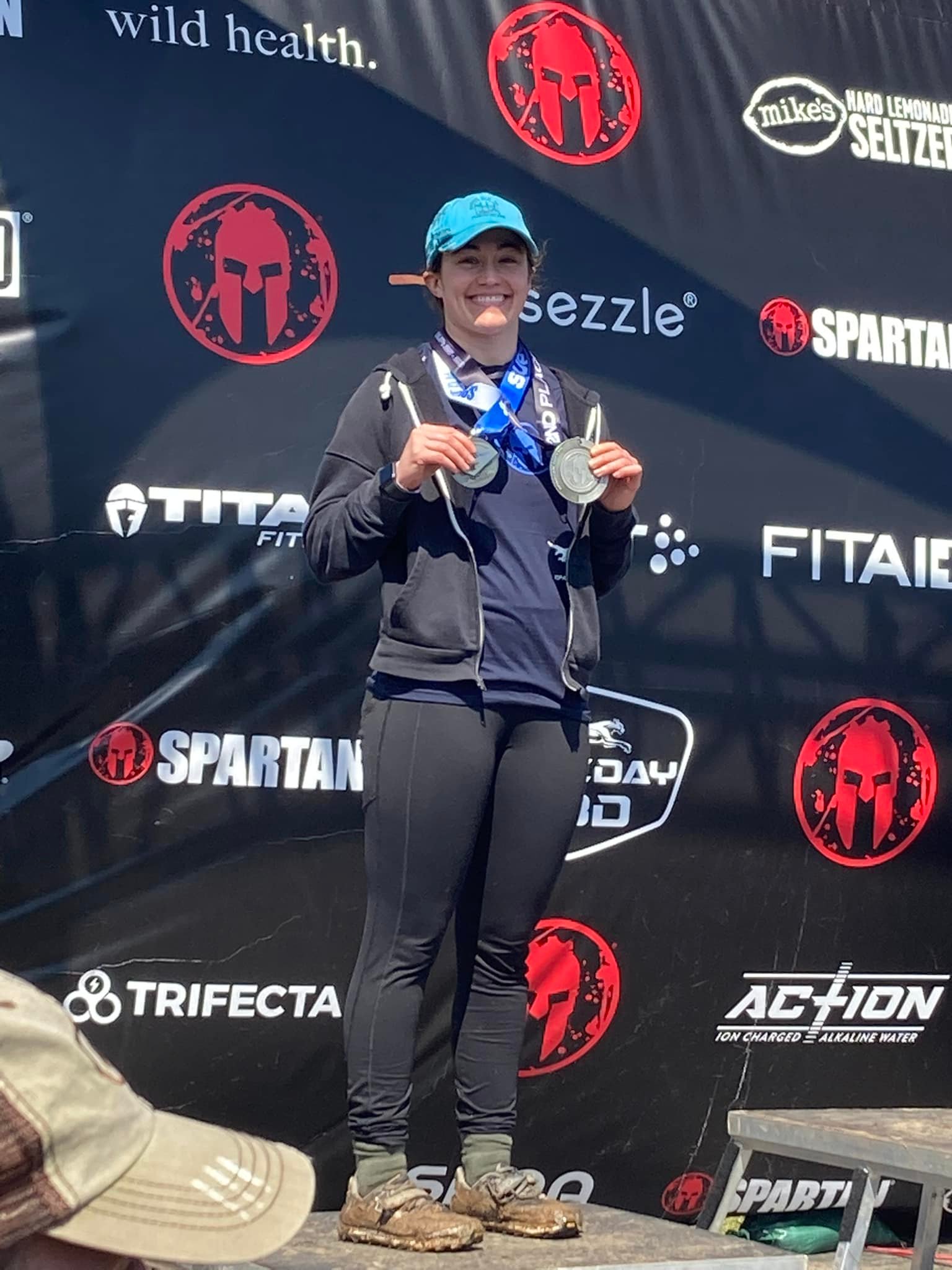
Taylor Jones is a versatile fitness enthusiast being a jack of all trades. Having initially excelled as a D-2 soccer player during her collegiate years, she transitioned her passion for sports into functional fitness, obstacle course racing, and a deep affection for outdoor adventures. Despite her demanding profession as a nurse, where she tirelessly works 12-hour shifts, Taylor manages to dedicate herself to rigorous training for competitions while finding solace in the company of her husband and two beloved dogs. With a keen focus on her athletic pursuits, Taylor’s primary objective has revolved around participating in the RF Challenges over the past two years. In both 2023 and 2022, her dedication bore fruit as she clinched the 2nd place title for the overall scoring.
Build Your Dream Home Gym with Ironmaster
Since 1978, Ironmaster has been trusted by serious lifters and home gym enthusiasts for delivering the best in heavy-duty, modular strength equipment built to last a lifetime. Whether you’re just getting started or upgrading your existing setup, Ironmaster.com has everything you need to train smarter at home—without compromising on quality. Start with the foundation: the legendary Super Bench Adjustable Weight Bench, known for its rock-solid stability and unmatched versatility. Then, level up your workouts with our Quick-Lock Adjustable Dumbbells, a fan-favorite for their rapid adjustability and space-saving, plate-sharing design. Need serious strength training capabilities? Add the all-in-one IM2000 Self-Spotting Machine, a hybrid Smith-style half rack that makes it easy to lift heavy safely, even when training alone. With dozens of compatible attachments, you can outfit a full-body gym in your garage, basement, or spare room.
Ready to save? Use our Custom Package Builder to bundle your favorite equipment and unlock automatic discounts—the more you bundle, the more you save.