
Blog
Testosterone Replacement Therapy (TRT)
Iron Cast Episode 1 Review
This is a summary of the first episode of Iron Cast, our new podcast from Ironmaster. In this episode, Brian sits down with Andre Adams and Luke’s Garage Gym for a deep dive into Testosterone Replacement Therapy.
Understanding TRT: What It Actually Is (and Isn’t)
Testosterone Replacement Therapy has become one of the most talked-about topics in fitness and men’s health and also one of the most misunderstood. Between locker room advice, forum threads, and social media takes, it’s easy to end up with a picture of TRT that’s more myth than medicine. With input from our recent podcast with Andre Adams and Luke Stetson, here’s a straightforward look at what TRT is, who it’s for, and what actually goes into doing it right.
What TRT Actually Is
At its core, TRT is a medical therapy designed to restore testosterone to a normal, healthy range for men whose levels have dropped below where they should be. That’s the whole goal: homeostasis. Bringing the body back to functioning the way it’s supposed to. That’s a very different thing from the high-dose testosterone use associated with bodybuilding, which operates at super-physiological levels for performance and physique goals rather than restoring a baseline. The two get lumped together constantly, but they’re not the same conversation; different doses, different purposes, different risk profiles. Understanding that distinction is the first step to understanding TRT accurately.
Who TRT Is For
Low testosterone can happen for a lot of reasons age, injury, illness, or medical treatment that affects hormone production. It’s not always a slow decline either; sometimes it’s sudden, tied to a specific medical event. The common thread is functional impact. Persistent fatigue that doesn’t respond to rest. Mood changes and irritability. Disrupted sleep. Reduced motivation or drive. These aren’t things to just push through they’re signals worth paying attention to, and for some men, they point toward a hormone issue that a conversation with a doctor and a proper panel of blood work can clarify.
Why the Full Picture Matters
A standard blood test often reports total testosterone and stops there. But total testosterone alone doesn’t tell the whole story. Free testosterone, the portion of the hormone actually available for the body to use matters just as much, if not more. So does SHBG (sex hormone-binding globulin), which affects how much testosterone stays “bound” and inactive. Estradiol levels round out the picture, since testosterone and estrogen work in relationship to each other, not in isolation. A number that looks technically normal can still come with real symptoms if these other markers are out of balance. That’s why a thorough diagnostic conversation; one that looks at the full hormonal picture, not just one line item makes such a difference in getting an accurate read.
How TRT Is Typically Administered
There are a few common ways testosterone therapy gets delivered, and they’re not all equal in terms of control and consistency. Transdermal gels are simple to apply but can be harder to dose precisely, and they carry a risk of transferring to others through skin contact. Pellets, inserted under the skin, release testosterone gradually but can’t be adjusted once they’re in if the dose isn’t quite right, there’s no fine-tuning until the next round. Injections tend to offer the most control: dosage can be adjusted more easily, and micro-dosing smaller, more frequent doses rather than one large dose spaced out helps keep levels steady instead of swinging between peaks and valleys. The right method often comes down to individual physiology, lifestyle, and how closely someone wants to be able to fine-tune their levels over time.
Lifestyle Still Comes First
One of the most important points in any honest TRT conversation: therapy isn’t a starting point, and it isn’t a substitute for the basics. Sleep quality, nutrition, and consistent training all have a real impact on hormone health. A lot of what looks like low testosterone can actually be the downstream effect of chronic poor sleep or long-term under-recovery. Addressing those fundamentals first often clarifies the picture sometimes closing much of the gap on its own, and always making any therapy that follows more effective. Natural testosterone support strategies and peptide therapies also come up as tools that can aid recovery and performance without jumping straight to hormone replacement. They’re not a replacement for TRT when it is genuinely needed, but they’re a meaningful part of the broader conversation about hormone health.
Fertility: A Conversation Worth Having Early
This is one of the most important and most overlooked parts of the TRT conversation. Exogenous testosterone can suppress the body’s natural production, including the signals that drive sperm production. That’s simply how the biology works, not a scare tactic, and it’s not necessarily permanent. Still, it’s a conversation worth having with a specialist before starting therapy rather than after, especially for anyone who’s planning on having children down the line. A knowledgeable provider can walk through the options and help make sure fertility goals stay part of the plan from day one.
What the Research Actually Shows
Muscle growth and cardiovascular health are two of the most common questions that come up around TRT, and they deserve grounded, evidence-based answers rather than absolutes in either direction. Restoring testosterone to a healthy range can support muscle maintenance and recovery, particularly for men who were genuinely deficient but it’s not a shortcut around training and nutrition. And while cardiovascular health and testosterone are connected in real ways, the relationship is nuanced rather than simple, which is exactly why ongoing monitoring and a good relationship with a healthcare provider matter so much throughout treatment.
The Bottom Line
TRT can be a valuable tool for men dealing with real, diagnosed low testosterone, but it works best as part of a bigger picture, not a replacement for one. Diet, training, and sleep stay foundational, with or without therapy. Consistent blood work, a real understanding of your own numbers, and a provider willing to look beyond a single data point all matter just as much as the treatment itself. Hormone health is a partnership between you and your care team and staying informed is one of the best things you can do for it.
This content is for informational purposes only and isn’t a substitute for professional medical advice. Talk to a qualified healthcare provider before making decisions about testosterone therapy.*
About The Author
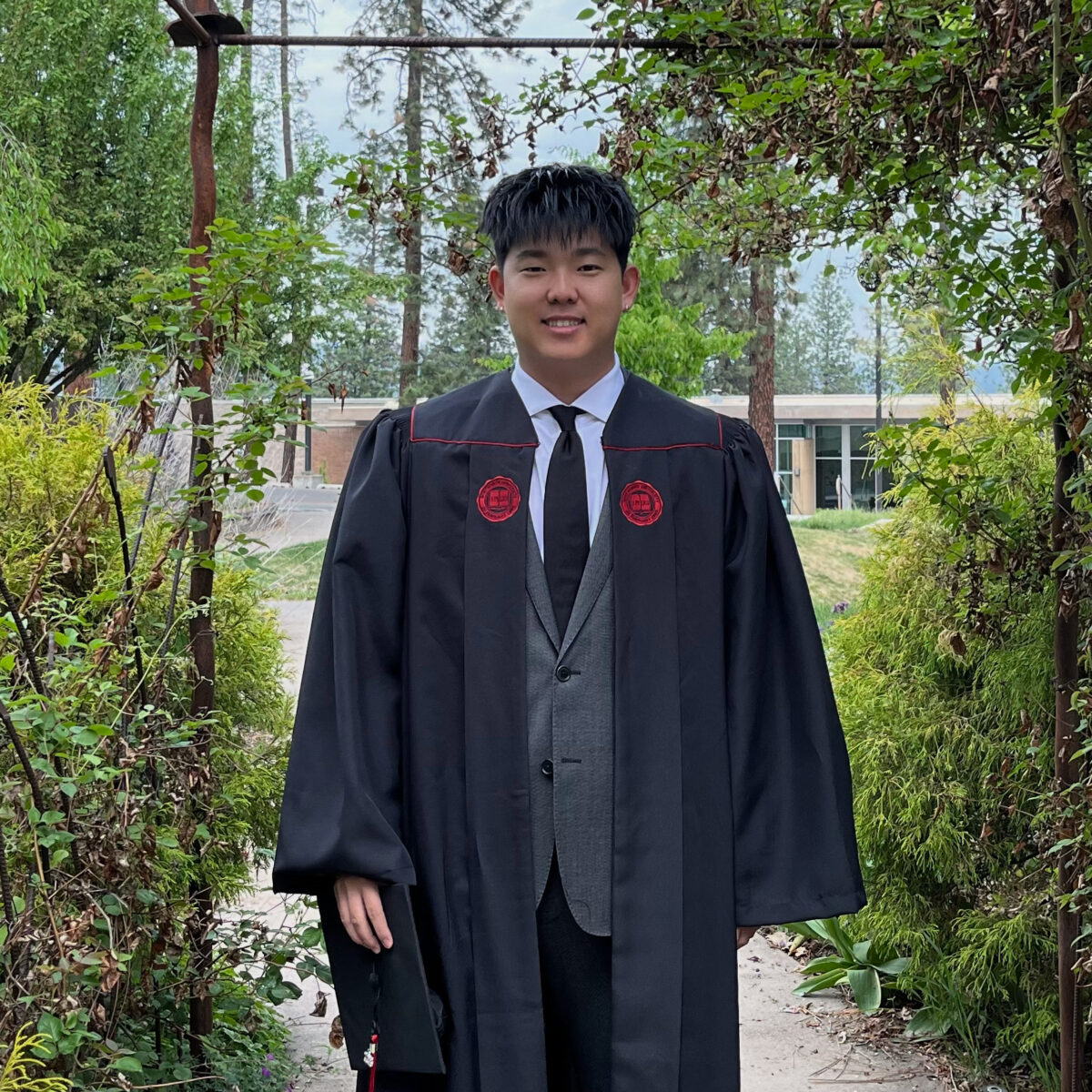
David Oh is apart of Ironmaster’s Marketing team, bringing a background in Graphic Design from Whitworth University and a passion for strength training that started in high school. He puts that combination of design skill and real training experience to work in the content he creates for Ironmaster.
Build Your Dream Home Gym with Ironmaster
Since 1978, Ironmaster has been trusted by serious lifters and home gym enthusiasts for delivering the best in heavy-duty, modular strength equipment built to last a lifetime. Whether you’re just getting started or upgrading your existing setup, Ironmaster.com has everything you need to train smarter at home—without compromising on quality. Start with the foundation: the legendary Super Bench Adjustable Weight Bench, known for its rock-solid stability and unmatched versatility. Then, level up your workouts with our Quick-Lock Adjustable Dumbbells, a fan-favorite for their rapid adjustability and space-saving, plate-sharing design. Need serious strength training capabilities? Add the all-in-one IM2000 Self-Spotting Machine, a hybrid Smith-style half rack that makes it easy to lift heavy safely, even when training alone. With dozens of compatible attachments, you can outfit a full-body gym in your garage, basement, or spare room.
Ready to save? Use our Custom Package Builder to bundle your favorite equipment and unlock automatic discounts—the more you bundle, the more you save.