
Blog
Coming Back Strong
What It’s Really Like Returning to Training and Competition After Pregnancy
There’s a lot of noise out there about “bouncing back” after pregnancy, hashtags, transformation photos, quick-fix workouts, and pressure to prove you can do it all. But if you’re an athlete, you already know real performance doesn’t come from bouncing anywhere. It comes from rebuilding. It comes from layering strength back onto a body that has just done something more intense and complex than any event you’ll ever compete in. It comes from relearning yourself in a postpartum body that feels familiar, foreign, and powerful all at the same time.
This article is the athlete-to-athlete guide I wish existed when I started my own postpartum journey. I wrote it with the mindset of a functional fitness athlete, coach, nurse, and someone who trained throughout pregnancy, took recovery seriously, and competed again at six months postpartum. It’s the real timeline, the real training stages, the real hormonal considerations, and the real emotional ride not the polished Instagram version.
The Reset Phase: The First Two Weeks Postpartum
The truth is, the first two weeks postpartum are not training time, not in any traditional sense. They’re hormonal free-fall time. They’re healing time. They’re figuring-out-how-to-hold-a-baby-while-your-body-feels-like-a-construction-zone time. Whether your birth was vaginal, involved tearing, or required a C-section, your body is undergoing massive internal healing that you cannot see but absolutely must respect. Even if you feel mentally ready to move, your tissues are not.
During this phase, “training” looks like rest, hydration, nutrient-dense meals that take zero effort, and gentle, short walks around the house or down the driveway. Breathing mechanics matter more than people realize; reconnecting with your diaphragm and deep core helps restore your posture and can even reduce postpartum discomfort. You’re not doing core workout, you’re reestablishing a relationship with your core after months of adaptations and pressure changes. Even ten minutes of deep, 360-degree breathing can make a difference.
The biggest mistake athletes make in this stage is comparing postpartum recovery to recovering from a tough workout. Birth is not a workout. It’s more like running a marathon, then immediately being asked to run another, except the second marathon requires no sleep, complete hormonal upheaval, and someone else’s life depending on you. Grace and patience here pay dividends later.
Key takeaway:
You’re not training, you’re rebuilding your foundation.
- Rest
- Hydration
- Nutrient-dense meals
- Short, gentle walks
Weeks 2–4: Rediscovering Movement
Around the two-week mark, walking becomes a powerful tool for reconnecting to your body. Not speed walking or incline power sessions, just simple, intentional, easy walking. It’s the perfect balance of movement and recovery. It promotes circulation, mentally grounds you, and helps rebuild a baseline for conditioning. Most athletes find they don’t need much intensity here, they simply need to move in a way that feels good and sustainable.
This is also when very gentle core activation begins. It’s not about planks or sit-ups; those would actually set you back at this point. Instead, heel slides, 90/90 breathing, controlled marching, and light side-lying hip work help wake up stabilizers that pregnancy stretched and softened. These movements don’t feel like “training,” but they are the most foundational training you will do.
One important sign to monitor during this time is pelvic heaviness. If walking or light movement causes an increase in bleeding, pressure, or a tampon-like “falling out” sensation, that’s your body telling you the load is too much. Athletes tend to override discomfort, but postpartum discomfort is not soreness, it’s information. And it should be honored.
Key takeaway:
⚠️ Watch for signs like pelvic heaviness or pressure, this is your body telling you to pull back.
- Heel slides
- 90/90 breathing
- Controlled marching
- Light hip work
Week 4: Reintroducing Light Lifting (Really Light)
By week four, most athletes feel antsy. The swelling is down. You’ve started sleeping in small but predictable intervals. You’re mentally craving structure, strength, and sweat again. The desire to pick up a barbell feels magnetic. But week four is still rehab, not training, and that distinction matters.
This is the stage where empty bars, small dumbbells, and light kettlebells become tools to rebuild patterns, not intensity. You’re focusing on how you move, not how much you move. Even strict upper body work needs to be supported or seated, because your core is not ready to brace under load. The goal is slow, controlled, almost meditative movement that reminds your brain: this is how squatting feels, this is how deadlifting feels, this is how rowing feels.
Light cardio is fair game, but “light” means you can talk the entire time without pausing. On good days, you’ll feel like you have more energy than you expected. On other days, you’ll wonder how walking up the stairs feels harder than an old metcon. Both are normal. Consistency matters more than intensity.
Key takeaway:
Consistency is key.
- Empty bars
- Light dumbbells
- Controlled, slow movement
- Relearning patterns (not chasing intensity)
6–8 Weeks: Entering the Training Bridge
Once you get medical clearance, typically around six weeks postpartum, the landscape of what you can safely do widens. That clearance doesn’t mean “go back to your old training program.” It means your healing is progressing well, and you can slowly expand your movement options. The 6–8 week window becomes a bridge between rehab and real training.
Here you can begin layering in low-impact cardio like easy rowing, zone 2 biking, incline walking, and in some cases, very gentle jogging. Whether you can jog safely depends heavily on your pelvic floor, and this is where pelvic floor physical therapy becomes indispensable. Your pelvic floor therapist can evaluate the internal structures and pressure management in a way no “return to running” checklist can.
Strength progression becomes more structured here, too. Dumbbells can increase in weight. Barbell work can return, but still in a controlled, moderate way. Barbell cycling remains limited. Single-leg work becomes important again because pregnancy often destabilizes the pelvis and SI joint, and single-leg strength improves overall symmetry. The biggest return here is confidence, you start to trust your body again.
Key takeaway:
💡 Pro tip: Pelvic floor physical therapy becomes essential here, not optional.
- Light cardio (rowing, biking, incline walking)
- Gradual strength progression
- Controlled barbell work
- Increased unilateral training
10–12 Weeks: Reintroducing Intensity with Intention
Between the ten and twelve-week mark, most postpartum athletes feel a turning point. Training starts to feel like training again. Movements flow more naturally. You can lift weights that resemble your old warm-up sets. You can breathe harder without worrying about pelvic pressure. You can string together more consistent training days without feeling completely depleted afterward.
This is where intensity reenters the picture, but intentionally. Moderate barbell percentages become appropriate. Longer conditioning pieces feel doable. You can push on the rower or bike without risking core instability. You can add step-ups, light box work, sleds, carries, and moderate kettlebell swings. Core work becomes more challenging and dynamic. Workouts feel fun again.
But this is also when ego tries to sneak in. You’ll remember what 85% used to feel like and want to chase it. You’ll feel glimpses of your old conditioning and instinctively reach for that next gear. Postpartum progress happens fastest when you stay disciplined here, when you work just below your edge instead of charging into it.
Key takeaway:
Stay disciplined. Progress happens faster when you stay just below your limit, not past it.
- Lift moderate weights
- Add longer conditioning pieces
- Reintroduce dynamic movements
Breastfeeding, Weight Loss, and the Caloric Reality No One Talks About
Breastfeeding is commonly described as a fat-burning tool, and while it can help increase daily caloric expenditure, it does not automatically lead to fat loss. In fact, many women hold onto fat while breastfeeding and only begin losing it when feedings reduce. The body is biologically wired to preserve energy for milk production, and if you under-eat, you will stall recovery long before you see fat loss.
Breastfeeding burns roughly 300–600 calories per day depending on frequency and supply. But if you don’t consume enough calories, your body compensates by slowing fat loss, reducing energy, and potentially decreasing your milk supply. Most active breastfeeding athletes need significantly more calories than they expect, often in the 2,200–2,800+ range, with high protein intake and plenty of carbohydrates surrounding training.
Hydration also plays a huge role in supply and recovery. Dehydration can cause an immediate dip in milk production, so water and electrolytes become part of your training essentials, not optional add-ons. If your goal is body composition changes, the most realistic window for seeing sustained fat loss is between six and twelve months postpartum, once sleep improves and breastfeeding frequency drops.
Key takeaway:
💧 Hydration is critical, it directly impacts recovery and milk supply.
- +300–600 calories/day
- 2,200–2,800+ total calories for active athletes
- High protein + carbs
- Strong hydration focus
Pelvic Floor Physical Therapy: The Postpartum Advantage Most Athletes Skip
If I could mandate one thing for postpartum athletes, it would be pelvic floor physical therapy. Pregnancy and birth radically change the internal structures of the pelvic floor, and no amount of Kegels, YouTube videos, or Instagram rehab routines can diagnose internal tension, prolapse, or dysfunctional pressure patterns.
A pelvic floor PT evaluates everything from scar tissue and pelvic alignment to breathing mechanics, diastasis recti, pressure management, hip stability, and how your specific sport movements affect your recovery. Functional fitness requires bracing, explosive movement, rotational strength, positional endurance, and heavy loading. You can’t build all of that on a dysfunctional pelvic floor. PT becomes the bridge between wanting to train hard and being able to train hard safely.
Postpartum recovery is rehab. Period. And pelvic floor PT is the difference between a temporary setback and years of issues like leaking, prolapse discomfort, or chronic low-back instability.
Key takeaway:
Postpartum recovery is rehab.
- Core function
- Pressure management
- Stability
- Injury prevention
Months 3–6: The True Rebuild
The three-to-six month window is where your athletic identity starts to shine through again. Strength returns faster. Conditioning improves. Your core stabilizes. You begin to move through workouts with a familiarity that feels comforting. At the same time, this phase is full of unpredictable swings. Good training weeks get interrupted by rough sleep regressions, growth spurts, cluster feeding, teething, daycare colds, and general exhaustion. Progress is cumulative, not linear.
During this phase, progressive overload becomes the backbone of your strength training. Aerobic capacity expands steadily. Single-leg and unilateral strength help restore balance. You may start experimenting with small doses of plyometrics if your pelvic floor PT clears you. Skills like kipping, hanging work, and double-unders may begin their reintroduction, but strict strength always comes first. Recovery dictates programming more than motivation does. Some weeks feel strong; others feel like you’re starting over again. Both are part of the process.
Key takeaway:
Consistency > Perfection.
- Strength returns
- Conditioning improves
- Movement feels familiar
Training for My First Competition Back at Six Months Postpartum
At six months postpartum, I signed up for my first competition back on the floor. The decision wasn’t made from a place of feeling “ready.” It came from feeling capable, and that distinction changed everything. Training looked different than it used to. My percentages were still lower than my old numbers, conditioning was solid but not elite, and recovery required more intentional planning. Some days double-unders felt effortless; other days my core fatigued faster than expected. Every week had its own lessons.
But training for that competition brought back a fire I had been missing. It reminded me that I was still an athlete, not despite becoming a mother, but because motherhood added depth to my discipline. Competition day didn’t look like the performances I put out pre-pregnancy. Instead, it looked like something more meaningful. I stood on that floor knowing how hard I worked to get there: the naps trained around, the pump breaks between sessions, the pelvic PT appointments, the gradual returns, the recalibrations, the patience, and the stubborn belief that I was still meant to do this.
Walking away from that competition, I realized I wasn’t trying to get back to who I was before. I was becoming someone stronger, more intentional, and more resilient.
What Realistic Postpartum Progress Looks Like
A hard truth many athletes need to hear is that you don’t get your pre-pregnancy body back. You get a new body, one that is equally strong, potentially stronger, and capable of remarkable performance, but different. Your pelvis, rib cage, connective tissue, and even your hormonal environment shift. That doesn’t diminish your athleticism; it redefines it.
Fat loss typically becomes more realistic between the six and twelve-month mark, when sleep is more stable, feedings decrease, training intensity rises, and your body no longer prioritizes energy storage for milk production. Muscle gains come back quickly once sleep improves and you consistently fuel your training. Strength often returns before aesthetic changes, and that’s normal.
The Mindset Shifts That Matter Most
Some of the most impactful postpartum progress isn’t physical, it’s mental. You learn to stop comparing yourself to others, especially other moms. You learn to treat your body like a teammate, not a machine. You learn that training is a privilege, not a punishment. You learn that you don’t need to “earn” food. You need food to recover, perform, and maintain your supply. You learn that missing your pre-baby routine doesn’t mean you’re ungrateful for the new chapter you’re in. You learn how to build strength in layers, not leaps.
Most importantly, you learn that motherhood doesn’t erase your athletic identity. It expands it.
Sleep, Hormones, Mental Health, and the Invisible Load of Postpartum Training
Postpartum exhaustion is unlike any fatigue you’ve ever experienced, even as an athlete. It’s not simply “being tired”; it’s the biological aftermath of fragmented sleep cycles, elevated prolactin, fluctuating cortisol, nighttime feedings, and the constant hypervigilance that comes with caring for a newborn. Your circadian rhythm is disrupted, deep sleep is rare, and your nervous system is pulled in two directions, nurturing your baby while trying to show up for yourself. Training during this time isn’t inherently dangerous, but it demands a level of self-awareness most athletes aren’t accustomed to. Loads feel heavier, recovery feels slower, and your threshold for intensity can swing wildly from one day to the next. There will be moments where your body surprises you with bursts of strength and others where simply warming up feels like a workout. This unpredictability isn’t failure, it’s physiology.
What often compounds this physical exhaustion is the mental and emotional landscape of early motherhood. The loss of autonomy, the sudden identity shift, the hormonal recalibration, the emotional highs and lows, and the pressure to “bounce back” create a headspace that can feel overwhelming and isolating. For many postpartum athletes, training becomes more than just exercise; it becomes a sanctuary. It’s the one space where you feel grounded, capable, and fully yourself. Movement becomes therapy, a place to process emotions, reclaim confidence, and reconnect with the athlete inside you. There’s nothing selfish about taking this time. In fact, it often makes you a more present parent. The key is giving yourself permission to adjust expectations, honor your energy levels, and recognize that the mental load you’re carrying is a legitimate part of your recovery. When you understand that both your hormonal shifts and emotional demands influence your training, you can program smarter, recover better, and rebuild with compassion rather than pressure.
Nutrition, Hydration, Progress, and Why Postpartum Adaptation Takes Time
Postpartum nutrition is far more complex than “eat for recovery.” Your body is healing tissue, potentially producing breast milk, regulating unpredictable hormone cycles, and trying to rebuild strength and energy reserves all at the same time. This means your protein requirements are elevated, collagen-rich foods support connective tissue repair, and carbohydrates become essential for both milk production and training performance. Breastfeeding alone can burn hundreds of calories a day but can also heighten hunger, deplete electrolytes, and alter blood sugar more dramatically than many women expect. Hydration becomes non-negotiable, not just for milk supply but for circulation, digestion, mood stability, and muscle recovery. Postpartum dehydration can mimic anxiety, trigger dizziness, and amplify fatigue, which makes water and electrolytes as essential as any macro. The more intentionally you fuel, the more your body will respond to training, and the less likely you are to struggle with plateaus, burnout, or supply issues.
Even with perfect nutrition, postpartum progress rarely follows a linear path. Some athletes regain strength quickly but struggle with endurance. Some rebuild conditioning fast but feel disconnected from skill-based movements. Weight loss patterns vary enormously some women lose fat rapidly while breastfeeding, others hold onto weight until they wean, and both are normal. It’s easy to compare yourself to other mothers, or even your pre-pregnancy self, but postpartum progress isn’t a race. It’s an adaptation. Your body spent nearly a year shifting organs, expanding tissue, stretching muscle, and altering its entire hormonal structure. Reclaiming athletic capacity takes time and that doesn’t mean you’re behind. Slow progress is still progress. What matters is sustainability, not speed. Your postpartum body isn’t working against you; it’s rebuilding itself in real time. And every workout, every walk, every moment of intentional nourishment moves you one step closer to the strong, capable athlete you’re becoming again, only now with even more resilience than before.
Final Thoughts: The Strongest Version of You Still Exists—Just in a New Form
Coming back from pregnancy isn’t a comeback; it’s a transformation. You rebuild strength one breath, one walk, one dumbbell rep, one pelvic floor session, one imperfect training day at a time. You redefine what strength looks like. You learn how capable your body truly is. And when you finally step on a competition floor again, whether it’s six months or two years postpartum, you stand there as a more grounded, more intentional, more resilient version of the athlete you were before.
You’re not going back to who you were. You’re building who you are now. And she is powerful.
Medical Disclaimer
This article includes both research-backed information and anecdotal experience. Every pregnancy and recovery is different. Always consult with your healthcare provider or pelvic floor physical therapist before beginning any postpartum training program.
About The Author
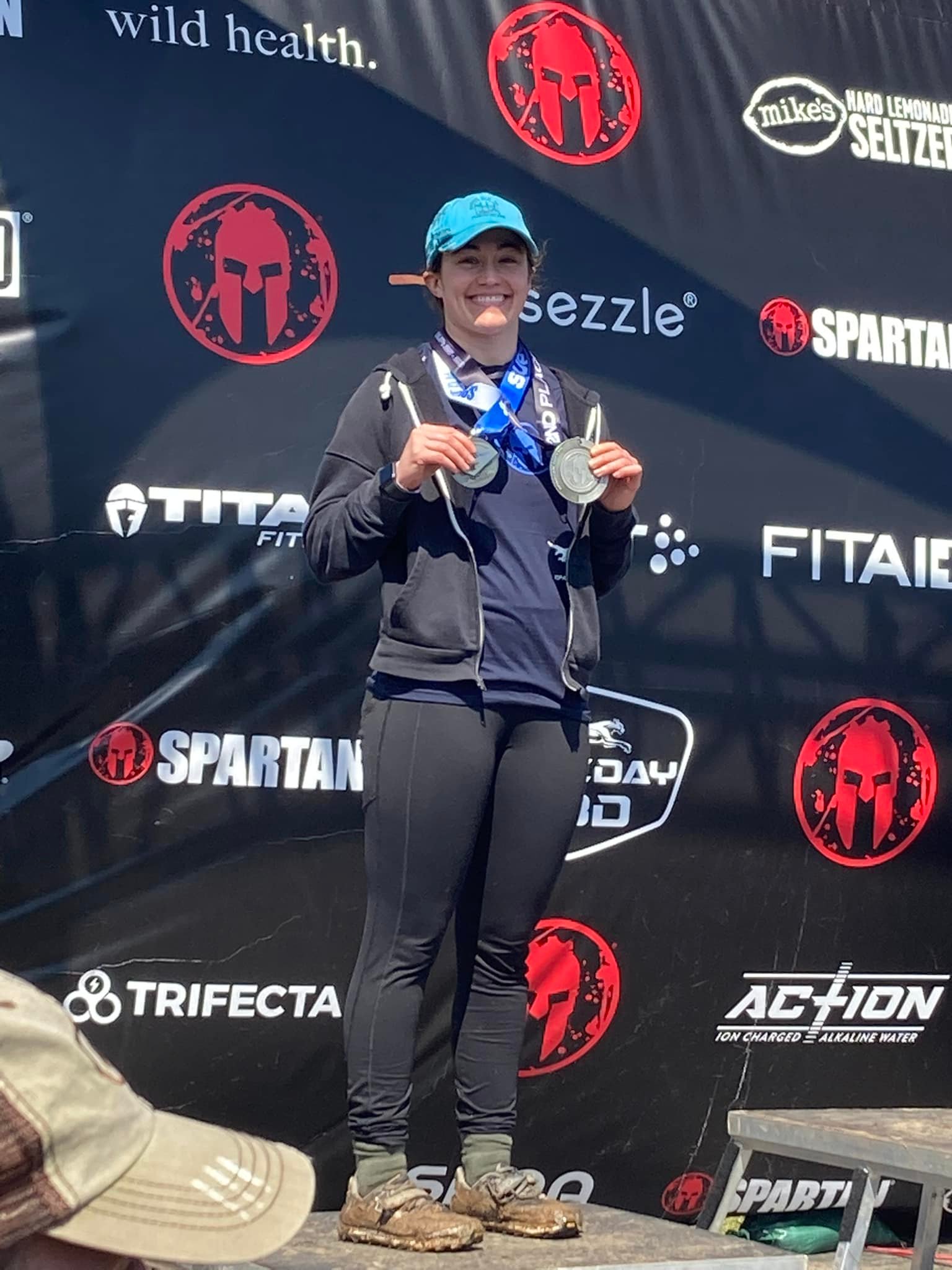
Taylor Jones is a versatile fitness enthusiast being a jack of all trades. Having initially excelled as a D-2 soccer player during her collegiate years, she transitioned her passion for sports into functional fitness, obstacle course racing, and a deep affection for outdoor adventures. Despite her demanding profession as a nurse, where she tirelessly works 12-hour shifts, Taylor manages to dedicate herself to rigorous training for competitions while finding solace in the company of her husband and two beloved dogs. With a keen focus on her athletic pursuits, Taylor’s primary objective has revolved around participating in the RF Challenges over the past two years. In both 2023 and 2022, her dedication bore fruit as she clinched the 2nd place title for the overall scoring.
Build Your Dream Home Gym with Ironmaster
Since 1978, Ironmaster has been trusted by serious lifters and home gym enthusiasts for delivering the best in heavy-duty, modular strength equipment built to last a lifetime. Whether you’re just getting started or upgrading your existing setup, Ironmaster.com has everything you need to train smarter at home—without compromising on quality. Start with the foundation: the legendary Super Bench Adjustable Weight Bench, known for its rock-solid stability and unmatched versatility. Then, level up your workouts with our Quick-Lock Adjustable Dumbbells, a fan-favorite for their rapid adjustability and space-saving, plate-sharing design. Need serious strength training capabilities? Add the all-in-one IM2000 Self-Spotting Machine, a hybrid Smith-style half rack that makes it easy to lift heavy safely, even when training alone. With dozens of compatible attachments, you can outfit a full-body gym in your garage, basement, or spare room.
Ready to save? Use our Custom Package Builder to bundle your favorite equipment and unlock automatic discounts—the more you bundle, the more you save.
Keywords List
- postpartum fitness
- postpartum training program
- returning to exercise after pregnancy
- postpartum strength training
- postpartum athlete recovery
- post pregnancy workout plan
- postpartum fitness journey
- training after childbirth
#PostpartumFitness #PostpartumJourney #PostpartumRecovery #StrongMom #FitMom #MomStrong #PostnatalFitness #NewMomLife #PostpartumAthlete #PelvicFloorRecovery #CoreRebuild #PostpartumStrength #MomAthlete #PostBabyFitness