
Blog
The Power of Timing
What time of day unlocks your peak performance?
As a functional fitness athlete, I’ve come to realize that performance and recovery aren’t just about what you do—they’re about when you do it. You can train hard, eat clean, and sleep well, but if you’re not aligning your efforts with your body’s natural rhythms and scientific principles of timing, you might be leaving results on the table. Over the past few years, I’ve dived deep into the science of performance timing—how the clock influences strength, recovery, metabolism, and hormonal responses. In this article, I’ll break down the critical components of timing that have transformed my training, with research-backed insights and personal experience from the trenches of functional fitness. Whether you’re chasing PRs, better recovery, or more energy throughout the day, timing could be the secret weapon you’re missing.
Strength Training vs. Cardio: Which Comes First?
This debate has raged in gyms for decades: should you do cardio before or after strength training? The answer depends on your primary goal. If your goal is strength, hypertrophy, or power, always hit the weights first. A study published in the Journal of Strength and Conditioning Research (2012) showed that performing cardio before resistance training reduced performance in the weight room—less weight lifted, fewer reps completed, and a higher rate of perceived exertion. Cardio depletes glycogen stores and tires out the central nervous system, which means your strength session will suffer. A fatigued neuromuscular system can hinder motor unit recruitment, leading to decreased power output and suboptimal mechanical tension on muscles—a key factor for hypertrophy. Moreover, performing cardio beforehand elevates cortisol levels, which may counteract the anabolic effects of your strength work. On the flip side, if your primary goal is aerobic endurance, it might make sense to prioritize cardio first. For instance, marathon runners or triathletes benefit more from structuring their sessions with an endurance-first focus, particularly during their peaking cycles. To help with training you can use the Ironmaster Ultimate Training Vest.
Hybrid athlete tip: If you must train both in one day, separate modalities by at least 6 hours, or if training back-to-back, go strength first. This ensures you maintain proper movement quality and intensity during your lifts.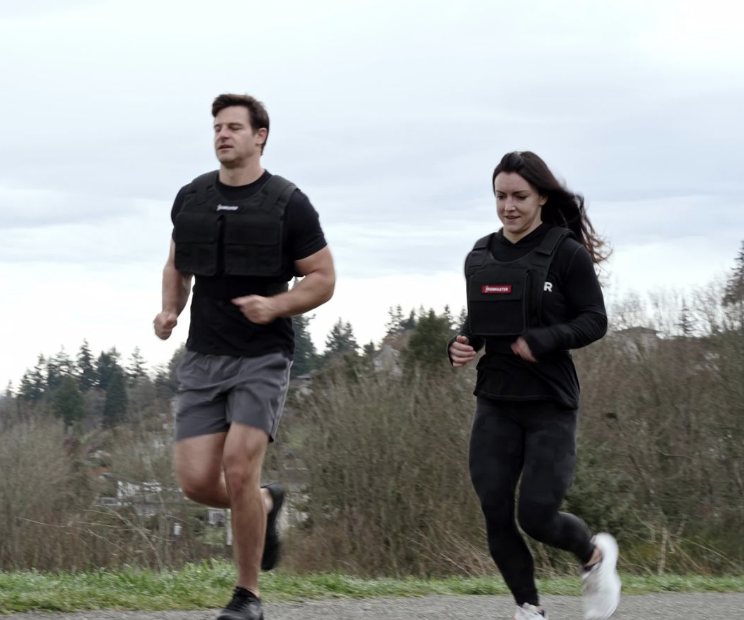
Best Time to Strength Train: Match Hormones and Readiness
Circadian fluctuations influence everything from joint mobility to hormone levels.
Morning (6-9 a.m.)
- Pros: High cortisol, mental discipline, consistency
- Cons: Lower core body temp, less peak force output
- Tip: Longer warm-ups and mobility flows help counteract stiffness.
Midday to Afternoon (1-5 p.m.)
- Pros: Elevated testosterone, growth hormone, and body temperature
- Peak muscle strength and CNS activation
- Ideal for PR attempts and max effort lifts
Evening (6-8 p.m.)
- Pros: Flexibility, improved recovery post-training
- Cons: May disrupt sleep if performed too close to bedtime
For athletes with flexible schedules, the afternoon remains king for top-tier strength performance.
Sauna and Cold Plunge: Harnessing Heat and Cold at the Right Times
Sauna: Use AFTER Training
Sauna sessions have become a staple in my recovery routine, but only when timed correctly. The heat exposure post-training promotes muscle relaxation, increases blood flow, and stimulates the release of growth hormone. In fact, research shows that regular sauna use (15-30 minutes at 170-200°F) after workouts can improve cardiovascular endurance by mimicking zone 2 cardio and accelerate recovery by upregulating heat shock proteins. These proteins play a role in reducing muscle damage and promoting cellular repair. When done post-exercise, saunas support an extended anabolic window, especially when paired with proper hydration and nutrition. I aim for 20 minutes at 180°F, either immediately after my workout—while my core temperature is still elevated—or later in the evening a few hours before bed. Using the sauna in the evening, especially a couple hours before sleep, has also noticeably improved my sleep quality. I feel calmer, my muscles loosen up, and I fall asleep faster—it’s become one of my go-to recovery protocols on heavier training days. Using a sauna before a workout, however, can cause premature fatigue and dehydration, compromising your performance, especially in conditioning workouts or strength sessions.
Cold Plunge: Pre-Workout or 4-6 Hours After Training
Cold plunges are equally powerful but must be approached with caution. The cold exposure (ideally between 40-55°F) triggers a norepinephrine response, increasing alertness, mood, and resilience. Pre-workout cold plunges are excellent for sharpening focus and priming the nervous system, particularly if you’re training early in the morning. However, immediately plunging after a hypertrophy or strength workout may dampen the inflammation-driven muscle-building response. Inflammation post-training is a necessary signal for adaptation. Studies, including one from the Journal of Physiology (2015), show that cold exposure too soon after resistance training can blunt muscle protein synthesis. Instead, wait 4-6 hours post-lift, or save the plunge for off-days to get the cognitive and recovery perks without compromising gains.
Carb Timing: Refuel Strategically
Carbohydrates are your training rocket fuel. But for them to be effective, they need to be timed right.
Pre-Workout: Energy Availability
Ingesting 30-60 grams of complex carbohydrates (paired with 15-25g of protein) 60-90 minutes before your session ensures optimal glycogen availability and stable blood sugar. This combo supports maximal intensity and staves off fatigue, especially in long metcons or strength EMOMs.
Post-Workout: Glycogen Replenishment
After training, your muscles are primed to absorb nutrients. Insulin sensitivity is elevated, making the 30-90 minute post-workout window ideal for replenishing glycogen stores and facilitating recovery. I personally keep it simple and go for a turkey sandwich or wrap—fast carbs, some protein, and it tastes great. It’s an easy way to get everything in without overthinking it. Aim for 1-1.2 grams of carbohydrates per kilogram of body weight post-training, especially after long endurance or multiple-session days.
Protein Timing: Window of Gains, Expanded
While the “anabolic window” is more flexible than once believed, post-exercise protein still plays a critical role. Consuming 20-40 grams of high-quality protein within 2 hours post-workout stimulates muscle protein synthesis via the MTOR pathway. Leucine, an essential amino acid found in animal proteins and whey, acts as a direct trigger for this pathway. Whey protein isolate remains a top choice due to its high leucine content and rapid absorption. That said, total daily protein intake (0.7-1.0g/lb of body weight) is the real cornerstone. For optimal results, spread protein intake evenly across 4-5 meals throughout the day—every 3-4 hours. I like to front-load a bit of protein with my breakfast and make sure I’ve hit at least half my total intake before lunch. Casein protein (slow digesting) before bed also supports overnight muscle repair, especially during deep stages of sleep when growth hormone is secreted.
Creatine and Beta-Alanine Timing: Consistency Over Clock
Creatine monohydrate is a saturation supplement. Once muscle creatine stores are topped up (typically after 1-2 weeks of 5g/day), the timing of your dose becomes relatively insignificant. Some studies suggest a slight edge when taken post-workout with carbs and protein, possibly due to enhanced uptake via insulin spikes. But overall, consistency matters most. I usually take mine post-workout with a shake because that’s when I remember best. Beta-alanine is similar in that it works through saturation. A typical dose is 3.2 to 6.4 grams per day, often split into smaller servings to avoid the tingling effect (paresthesia). I add beta-alanine to my pre-workout shake or morning greens—it’s not about immediate results but long-term buffering of lactic acid and improved muscular endurance.
Sunlight and Circadian Rhythm: Reset Daily
Your body operates on a circadian clock governed largely by light. Morning sunlight exposure (especially in the first hour after waking) helps anchor your internal clock, increase alertness, and promote nighttime melatonin release for deep sleep. Personally, I anchor my day by taking my dogs out for a walk first thing in the morning. It’s a non-negotiable habit now—not just for their benefit, but for mine. I get my eyes exposed to natural low-angle morning sunlight, which sets my circadian rhythm and helps me feel more focused throughout the day. Even better? I do the same in the evening. Watching the sunset on a short walk with my dogs helps me wind down and cue my body that it’s time to shift gears toward rest. Aim for 15-20 minutes outdoors without sunglasses when the sun is low in the sky. If natural light isn’t available, full-spectrum artificial light therapy can be a substitute. Additionally, avoiding bright overhead light and screens 1-2 hours before bed supports healthy melatonin production and improves sleep onset latency.
More Timing Tips for Recovery, Supplements, and Modalities
Supplement Timing for Sleep and Recovery
One of the most underrated recovery tools is quality sleep. I’ve found that timing certain supplements before bed can improve not only sleep duration but also the depth of recovery. About 60 minutes before I wind down, I take magnesium glycinate or magnesium L-threonate to calm the nervous system. These forms are more bioavailable and support deep sleep and cognitive recovery. I’ll also sometimes include L-theanine, apigenin or glycine, especially on high-stress days, to help reduce cortisol and quiet the mind. Zinc and omega-3 fatty acids taken with dinner have also shown benefits for hormonal support and inflammation control, aiding overnight recovery. And if I’m traveling or experiencing sleep disruption, low-dose melatonin (0.3–1 mg) taken 30 minutes before bed can be helpful for reestablishing rhythm.
Mobility Timing: Loosen at the Right Time
Mobility work is essential, but timing matters. I used to think stretching right before a lift was helping me, but aggressive static stretching pre-lift can temporarily reduce strength output. Now, I prioritize dynamic mobility and activation before training, saving deep mobility sessions (like foam rolling, banded distractions, and static holds) for the evening. Evening mobility is a game changer for me. Body temperature is higher, connective tissue is more pliable, and it becomes part of my wind-down routine—doubling as a physical and psychological recovery protocol. It’s also a great opportunity to assess any lingering tightness or restrictions that might affect the next day’s session.
Meditation and Cortisol: Timing for Calm
If you’ve ever tracked HRV or morning cortisol, you know that stress adds up fast. I’ve added short mindfulness or meditation sessions either mid-morning or right before bed to help counteract stress spikes. Practicing 10-20 minutes of guided breathwork or meditation at those times helps lower cortisol, increase parasympathetic tone, and improve my heart rate variability. It’s not just about stress—calming your nervous system at the right time improves recovery, mental clarity, and sleep quality. On deload weeks, I even extend these sessions as a proactive recovery tool.
Active Recovery and Deload Timing
Active recovery and deloads are often overlooked until you hit a wall—but I’ve found they’re best when pre-planned. I schedule deload weeks every 4-6 weeks or after particularly high-intensity training blocks. During these periods, I shift most workouts to Zone 2 cardio, light bodyweight circuits, or outdoor movement like rucking or hiking. These sessions are best done in the late morning or early afternoon—when cortisol has dipped but energy levels are still steady. I use that time to reconnect with movement in a low-stress environment, letting my CNS and joints recover while staying active.
Final Thoughts: Master the Clock, Master Your Training
Training hard is non-negotiable. But once I started paying attention to the timing of my inputs—food, light, recovery, and workouts—I noticed a real difference. Energy felt smoother, strength improved, recovery sped up, and sleep got deeper. This isn’t about perfection. It’s about alignment. Syncing your lifestyle with your biology can give you the edge that separates good from great. Experiment with a few of these strategies and track your results. You may find that unlocking your next level isn’t about doing more but about doing things better—and that starts with when you do them. Stay consistent. Train smart. And remember: the clock is your silent coach.
About The Author
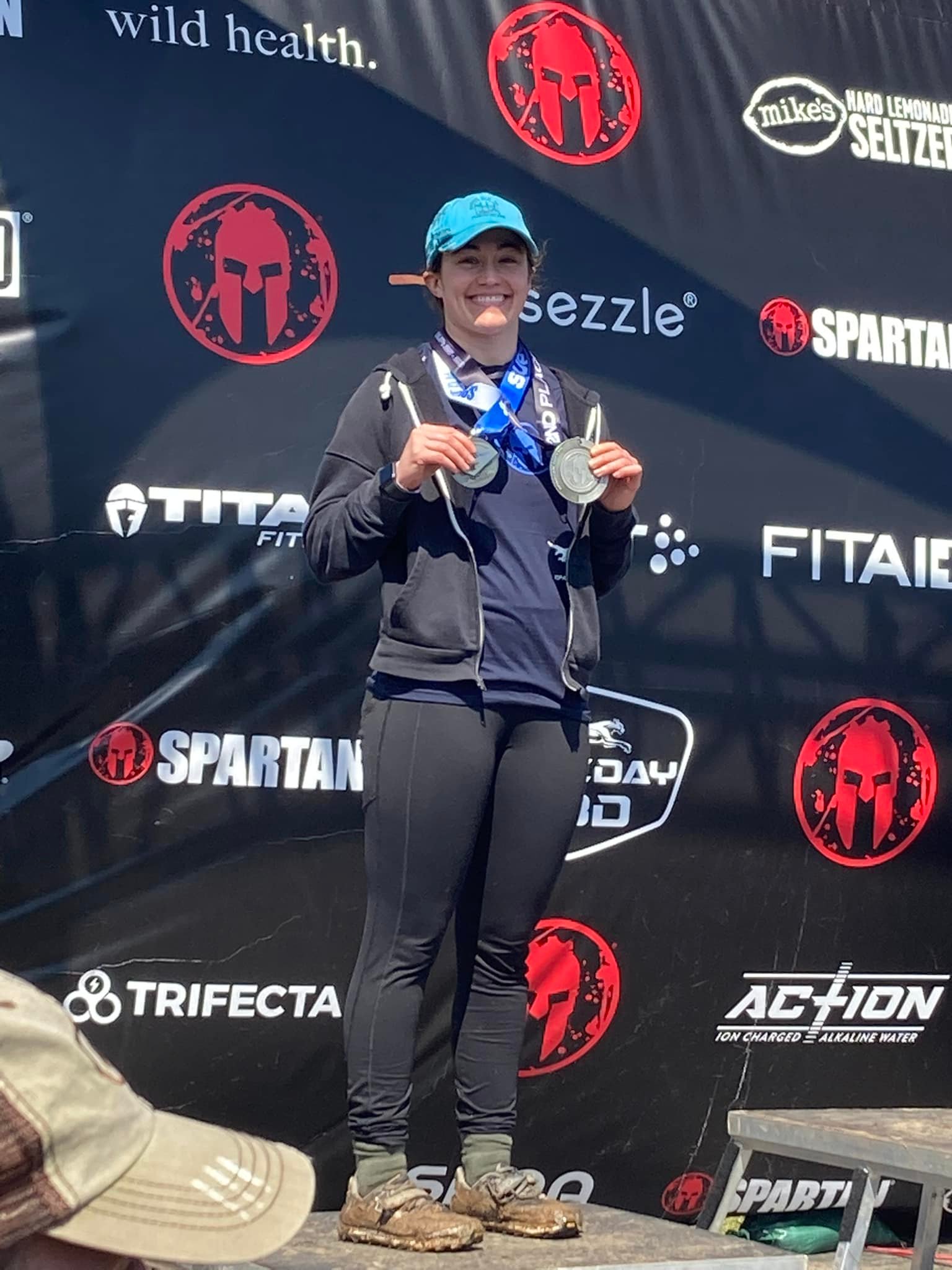
Taylor Jones is a versatile fitness enthusiast being a jack of all trades. Having initially excelled as a D-2 soccer player during her collegiate years, she transitioned her passion for sports into functional fitness, obstacle course racing, and a deep affection for outdoor adventures. Despite her demanding profession as a nurse, where she tirelessly works 12-hour shifts, Taylor manages to dedicate herself to rigorous training for competitions while finding solace in the company of her husband and two beloved dogs. With a keen focus on her athletic pursuits, Taylor’s primary objective has revolved around participating in the RF Challenges over the past two years. In both 2023 and 2022, her dedication bore fruit as she clinched the 2nd place title for the overall scoring.
Build Your Dream Home Gym with Ironmaster
Since 1978, Ironmaster has been trusted by serious lifters and home gym enthusiasts for delivering the best in heavy-duty, modular strength equipment built to last a lifetime. Whether you’re just getting started or upgrading your existing setup, Ironmaster.com has everything you need to train smarter at home—without compromising on quality. Start with the foundation: the legendary Super Bench Adjustable Weight Bench, known for its rock-solid stability and unmatched versatility. Then, level up your workouts with our Quick-Lock Adjustable Dumbbells, a fan-favorite for their rapid adjustability and space-saving, plate-sharing design. Need serious strength training capabilities? Add the all-in-one IM2000 Self-Spotting Machine, a hybrid Smith-style half rack that makes it easy to lift heavy safely, even when training alone. With dozens of compatible attachments, you can outfit a full-body gym in your garage, basement, or spare room.
Ready to save? Use our Custom Package Builder to bundle your favorite equipment and unlock automatic discounts—the more you bundle, the more you save.
Keywords List
⋅ training timing optimization
⋅ workout timing for performance
⋅ strength training vs cardio order
⋅ best time of day to work out
⋅ circadian rhythm and athletic performance
⋅ recovery timing for athletes
⋅ functional fitness recovery strategies
Hashtags:
#FunctionalFitness
#HybridAthlete
#StrengthTraining
#TrainSmart
#AthleteRecovery
#PerformanceTraining
#ColdPlunge
#SaunaRecovery
#MuscleRecovery
#AthleteRecovery
#OptimizeRecovery